Nylon Yarn: The Versatile Fiber Powering the Future of Textiles
The global textile market is witnessing a growing demand for nylon yarn, a durable and versatile fiber that significantly enhances the production of various textile products. From rugged outdoor gear to fashionable garments, nylon yarn's applications are vast. However, challenges such as environmental sustainability and performance efficiency persist. For instance, many manufacturers struggle with sourcing high-quality nylon yarn that meets modern sustainability standards while maintaining durability and cost-effectiveness. A potential solution lies in selecting reputable nylon yarn manufacturers like Fantex, known for their commitment to quality and innovation. By integrating these high-grade fibers, producers can ensure that their products perform well and appeal to eco-conscious consumers.
Key Drivers and Innovations in Nylon Yarn Production
The nylon yarn industry is driven by several key factors, including advancements in technology, a rising trend towards sustainable textiles, and increased consumer awareness regarding product durability. Innovations such as enhanced spinning methods and water-saving dye techniques have made it possible to produce nylon yarn that not only meets performance standards but does so with reduced environmental impact. According to a report by MarketWatch, the global nylon yarn market is projected to grow at a CAGR of 4.5% from 2021 to 2026, demonstrating a robust shift towards optimal usage of this fiber in various applications.
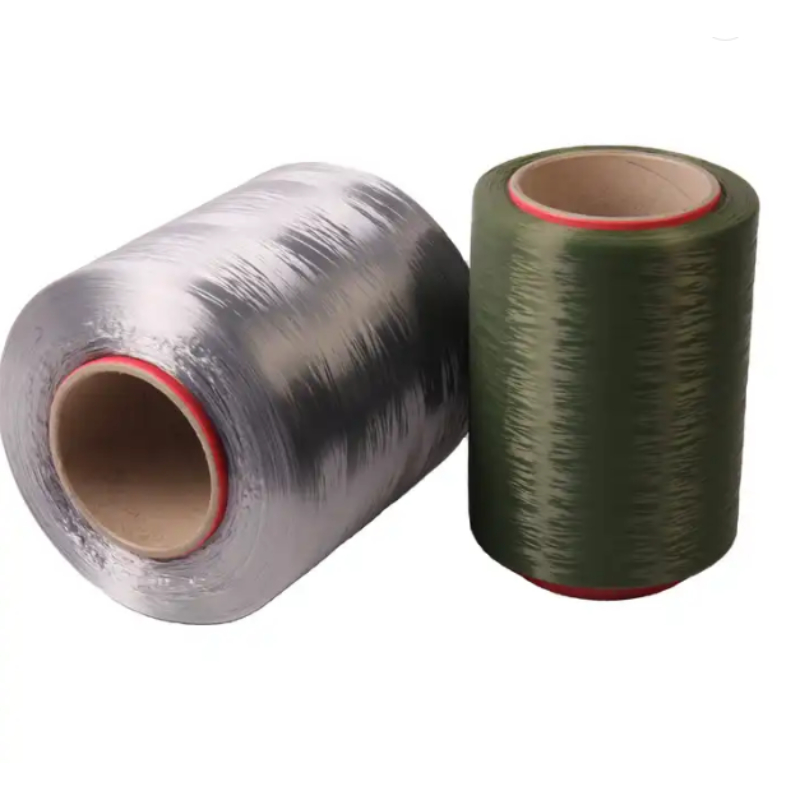
Emerging Trends in Nylon Yarn
1. **Sustainability Initiatives**: With approximately 73% of global consumers willing to pay more for sustainable products (source: Nielsen Global Sustainability Report 2021), the nylon yarn industry is responding by developing recycled nylon fibers. Brands like Fantex are pioneering in producing nylon yarn from recycled materials, minimizing waste and carbon footprint.
2. **Smart Textiles**: The integration of technology into textiles is on the rise, with smart clothing enabling features such as moisture-wicking and thermal regulation. These innovations are made possible through modern nylon yarn formulations that provide essential attributes to enhance user comfort and functionality.
3. **Lightweight Performance Fabrics**: The increasing demand for lightweight and high-performance materials is pushing innovations in nylon yarn development. Recent studies indicate that lightweight nylon can reduce the overall garment weight by up to 20%, resulting in improved comfort and wearability.
4. **Customization and Technical Applications**: The nylon yarn market is shifting towards more customized solutions for technical textiles, which are utilized in specialized fields such as medical, automotive, and industrial applications. This trend highlights a move towards tailored formulations that meet specific end-user requirements.
Impact on Buyers
For buyers, the evolving nylon yarn market presents both opportunities and challenges. The availability of high-quality and sustainable nylon options can position companies favorably in a competitive market. However, buyers must ensure they are sourcing from reliable manufacturers. Selecting established producers like Fantex can help mitigate risks associated with material quality and compliance with environmental regulations.
Practical Suggestions for Textile Manufacturers
Invest in Research and Development: Prioritize R&D to innovate and create unique nylon yarn products that cater to niche markets.
Focus on Sustainability: Transition towards using recycled nylon and eco-friendly practices to appeal to environmentally conscious consumers.
Establish Strong Supplier Relationships: Develop partnerships with trusted nylon yarn manufacturers known for quality and sustainability, such as Fantex.
Adopt Advanced Technologies: Implement advanced manufacturing techniques to enhance the performance of nylon yarn resulting in superior end products.


评论
发表评论